
How to Maintain Your Car to Keep It Running Well
Whether you bought a new or used vehicle, and whether it's your first or your fiftieth car, it's good to consider how to properly care for it to keep your car on the road for the years to come. Modern cars are complex machines, and they require regular maintenance and care to remain safe and reliable.
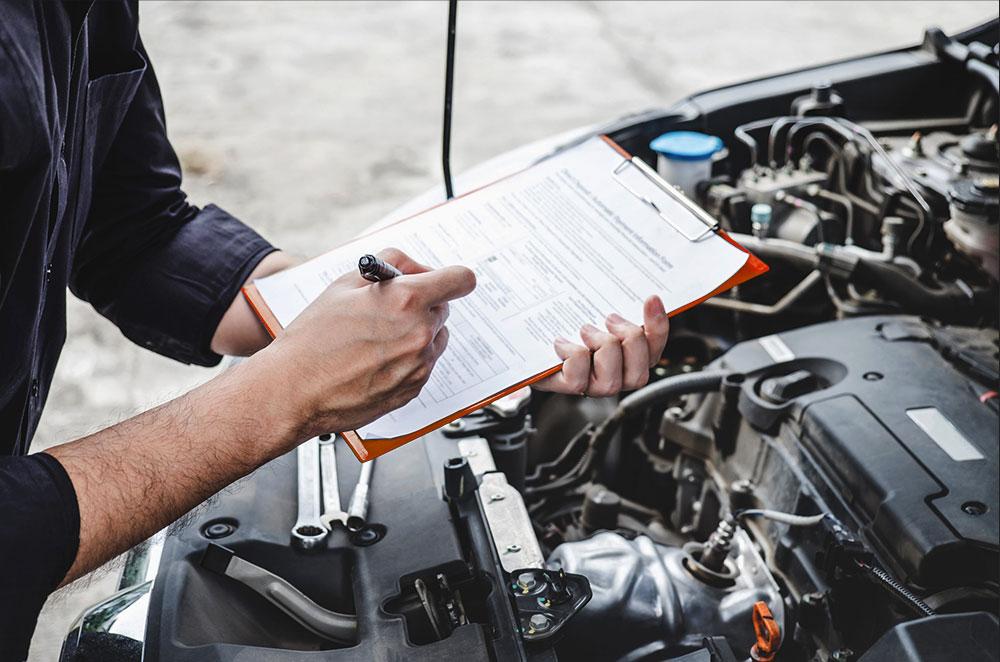
Lucky for you, carsawa editors have been monkeying around in garages and fussing with dealership service advisors since 2000s. Here's a step-by-step guide to the basic auto maintenance questions we get asked the most, which will help even first-time car owners keep their cars ticking like well-oiled machines.
Maintaining Your Tires
Perhaps the most important safety feature of a car, regardless of its age, is its tires. Ideally, what you need is a matching set of tires with generous tread and a climate rating that's appropriate for driving conditions in your area. With worn tires, something as simple as a summer rain can turn roads into a hazard, so here's how to make sure that every time you drive you've got the grip you need.
How often to change your tires/how to know when you need new tires
Generally, a set of tires should last between three and six years and up to 80,000 miles, but it varies widely based on how you drive, how many miles you put on a year, and what type of vehicle you have. The best practice here is to regularly check each tire and look for evidence of excessive wear, balding, or bulges in the sidewall. If you notice any of those items, make it a priority to buy a replacement set.
Tires come with tread-wear indicators, but there's a fun old-fashioned way to tell if your tires are too worn out. Take a penny, flip it upside down, and put Lincoln's head between the treads. If his head is partially obscured, you should be good to go.
Check your engine oil
If your car has an engine, it needs good, quality oil to keep its parts moving smoothly. Unless you bought an EV, this section pertains to you. Make sure your car's engine oil is changed regularly at the intervals suggested in its owner's manual and keep an eye on the oil level to make sure it isn’t leaking or burning off, leaving too little oil in the reservoir. To do this, pop the hood and locate the dipstick. Pull the stick out and wipe it off with a cloth or paper towel. Insert the stick back into the hole and push it all the way down into the reservoir. Pull it back out and check the end to see if the oil level is within the acceptable range indicated on the stick. If it's low, add more, but make sure you use the appropriate type for your car.
How to know what type of oil your car uses
Under the hood of most cars should be a sticker or placard that suggests an appropriate oil weight. It may even suggest a specific brand of oil. If not, your owner's manual has this information. Common engine oils come as either synthetics or conventional (nonsynthetic) and are offered in a variety of viscosities and are labeled in a particular way. For example, you might see something like "10W30" listed. This refers to the oil's viscosity levels where 10 is the oil's viscosity in cold temperatures and 30 is the viscosity in normal operating temps.
How to know how often to change your vehicle’s fluids
Windshield washing fluid is the most obvious when it runs out: Your nozzles just stop squirting it onto the windshield when you hit the wash lever. It's harder to tell when the others listed above need a change unless you pop open the hood and physically check the levels. For the most part, it's recommended that you follow the service intervals set by the manufacturer, but if at any point any of those fluids look dirty or the associated part or parts of the car is/are behaving irregularly, it may be time to seek out service.
Everything You Need to Know about Oil Types
Check your headlights, taillights, and the lights over your license plate
Not only is driving with inoperable lights a hazard to you and other drivers, but it can also earn you a ticket from the local constabulary. Some cars have a feature where a warning light or message will appear if one of your exterior lamps is no longer operable, but many vehicles don't. Luckily, it's relatively easy to check the status of these lights by turning them on and doing a walkaround to check if any are burned out. Brake lights are the hardest, as they may require an extra person to hold the brake pedal down while you walk around back to check, but in a pinch, consider backing your vehicle up toward a light-colored surface, like a garage door, and holding down the brake pedal while you check for reflections in the rear-view mirror. This exercise may be easier at night.
Check and replace your windshield wipers
Nothing is more frustrating than turning your wipers on during the first rain of the year only to find they've degraded and no longer fully clear the windshield of droplets. It can also make it unsafe to drive since your line of sight may be obscured. Keep tabs on your wipers and if they aren't looking healthy, it's time for a replacement.
Test Your Battery
If your car struggles to start or won't start at all, it could be your 12-volt battery. Almost all modern cars rely on a rectangular 12-volt battery to provide juice to many of their electric bits, and for many, this includes the starter. If a 12-volt battery goes bad, and its voltage drops below a certain level, then it can't provide the power needed to get the starter to kick over the engine and get you going.
How to test a battery
With a digital tool called a multimeter, you can test your battery's voltage for yourself. With the ignition off, touch the red lead of the multimeter to the positive battery terminal and the black lead to the negative terminal. If the multimeter displays a voltage under 12.4, the battery likely needs to be replaced.
Inspect Your Brakes
Like tires, brakes are an essential safety feature of any vehicle, and letting them wear to the point where their effectiveness is reduced is both dangerous and irresponsible. If you notice any squealing noises or feel any pulsations when braking, then your best bet is to take this as a sign that your brake pads or rotors need servicing. Otherwise, you should keep an eye on your brake pad wear occasionally. To do so, use a flashlight to inspect the pad by peering into the caliper assembly. If you notice that there's only a quarter inch or so of material left on the pad, it's time for new pads.
Wash the exterior of your car
Whether you go through an automatic car wash or choose to do an old-fashioned driveway hose-and-bucket wash, cleaning the exterior of your car is the first step in keeping it looking its best. Wash away mud, road salt, and other debris from your vehicle's paint and underbody, and take care to not rub dirt or other coarse objects on the paint to avoid scratches. It's a good idea to apply wax to your paint at least once a year to help ward off sun damage and add an extra layer of protection to your vehicle's clear coat.
Cleaning the interior of your car
Taking a vacuum to your interior is the easiest way to pick up dirt and debris from your carpets and seats, and most car washes offer drive-up vacuums that run on coins. Otherwise, a hand vac or Shop-Vac in your garage works well.
How often should I clean my car?
This is highly dependent on how you use the vehicle. If you're frequently traveling solo on short trips, your car may not get too dirty, and your interior may not need to be swept out frequently.
Quick Tips
- Unless you're a particularly handy person, servicing a vehicle will likely require outside help. Find a mechanic you trust, even if it's not the dealership you purchased your car from. Save their contact information in a place that's easy to access should you need help with your car.
- Understand that the information shared in this story is intended to be basic car care, and depending on the type of vehicle you own and how you plan to use it, you may require more advanced services to keep your car, truck, van, or SUV safely on the road.
- Always refer to your vehicle's owner's manual to ensure you're using the proper fluids for each component and adhering to the required maintenance intervals. Deviation from the manufacturer's recommended service schedule can void your car's warranty.
- Keep a record of all repairs and maintenance you complete on your vehicle. Not only does this add value to the next owner when you go to sell your car, but it can also provide protection from denied warranty claims if you can prove you followed the suggested maintenance schedule.
Tags
Related Posts

Sell Your Car Quickly in Kenya Using Carsawa
Selling a car in Kenya can feel overwhelming. However, with the right approach, you can sell your car quickly in Kenya and avoid endless negotiations or unreliable buyers. Fortunately, Carsawa, Kenya’s leading online car marketplace, simplifies the process. In fact, its streamlined tools and wide reach ensure a fast car sale Kenya sellers can trust

What to Look for When Buying a Used Car in Kenya’s Market in 2025
What to Look for When Buying a Used Car in Kenya’s Market When purchasing a used car in Kenya, ensuring you make an informed decision is essential to avoid costly mistakes and ensure you get value for your money. With a wide range of vehicles available on the market, navigating the process requires a keen eye and understanding of critical factors. Whether it’s for personal or business use, this guide will walk you through the essential aspects to consider when buying a pre-owned car in Kenya.